How to Choose a Dubai Desert Safari Buggy for Your Trip
Riding a buggy through the dunes is one of the most memorable ways to experience the Dubai desert. The combination of open terrain, rolling sand seas, and the cool evening air makes for an adventure that appeals to both first-time visitors and seasoned riders. But with several types of buggies available, picking the right one can feel a bit overwhelming. This guide walks through the main factors to consider so you can match the buggy to your group size, skill level, and the kind of experience you want.
Understand the Terrain and What It Demands
The desert around Dubai is not all the same. Some areas have tall, steep dunes that require a buggy with good torque and a low centre of gravity. Other stretches are flatter, with packed sand that allows for higher speeds and smoother turns. Before you settle on a buggy, think about where your ride will take place. Most operators run routes that mix both types of terrain, so a versatile machine is usually a safe bet.
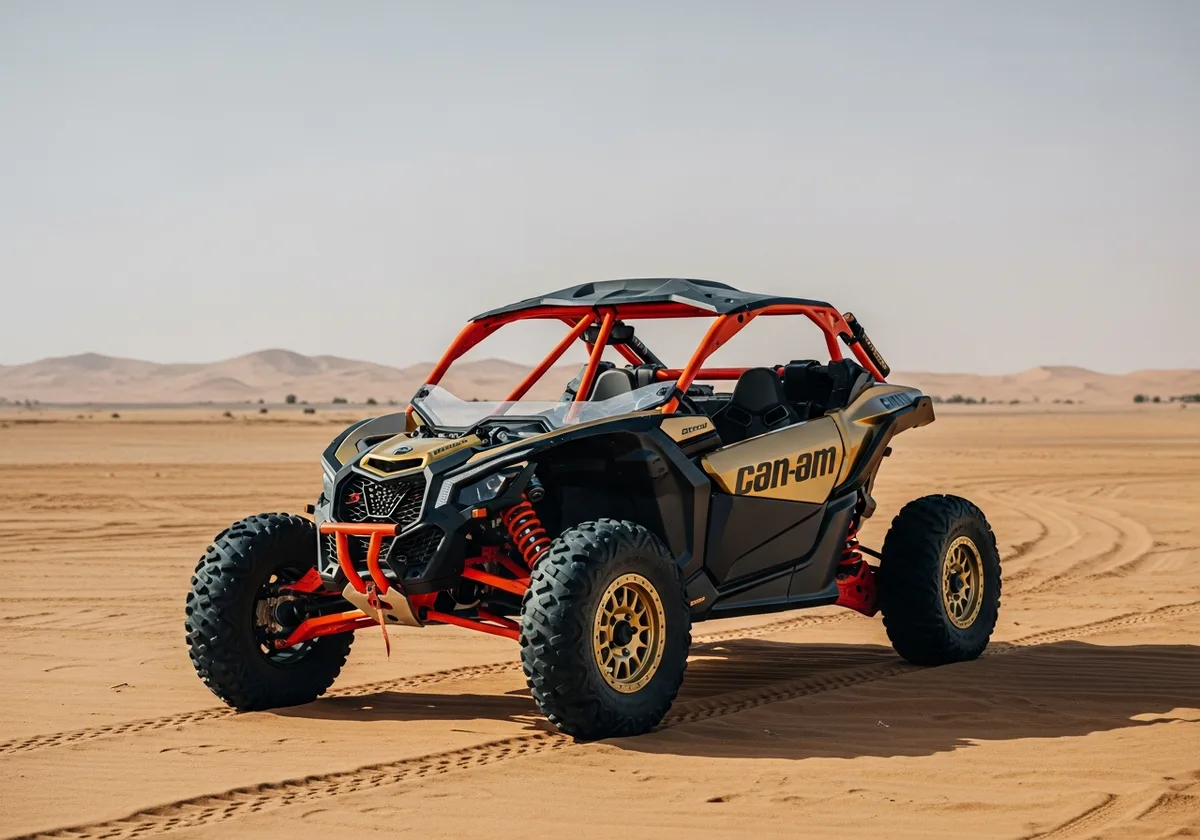
Pay attention to the buggy's wheelbase and tyre type. A longer wheelbase gives more stability on straight runs but can feel less nimble on tight dune crests. Wider, paddle-style tyres are common on desert buggies because they grip loose sand better than standard treads. If you are looking at a buggy with narrow or worn tyres, it may struggle to climb softer slopes, especially after a hot day when the sand is very dry and loose.
Evening Desert Safari Dubai - Dune Buggy and Quad Biking is also on Instagram.
Seating Capacity and Configuration
Buggy sizes range from single-seat models to four-seaters. Your choice depends on who is coming along. A two-seater buggy works well for a couple or a solo rider who wants maximum control. Three- and four-seat buggies let you bring children or friends, but they are heavier and may handle differently on steep dunes. Sit in the buggy before you decide. Check that the seat belts are comfortable and that the roll cage does not block your view. If you are tall, make sure there is enough headroom and that your knees do not hit the steering wheel.
For families, a buggy with side nets and a sturdy harness is worth prioritising. Young children should be able to reach the grab handles easily. Some buggies have an adjustable seat, which helps keep smaller passengers secure. If you are booking for a group, confirm that the buggy you are assigned can carry everyone comfortably without overloading.
Engine Type and Power Delivery
Most desert buggies use either a petrol engine or a diesel engine. Petrol buggies tend to be lighter and more responsive, which makes them popular for recreational riding. Diesel buggies are heavier but can offer more torque at low speeds, which helps when crawling up a steep dune. Neither is inherently better; it comes down to your driving style. If you enjoy quick acceleration and sharp turns, a petrol buggy is often the better fit. If you prefer a steady, controlled climb with less risk of spinning out, a diesel buggy may suit you more.
Also check the engine's cooling system. Desert heat puts strain on any engine, and a buggy that has been running for hours without a break can overheat. A well-maintained buggy with a good radiator or fan system will keep going without losing power. If you are booking a long afternoon or evening session, ask whether the buggies are rotated or given rest periods to cool down.
Suspension and Ride Comfort
A buggy that bounces too much over small dunes can make the ride tiring and uncomfortable. Look for a buggy with independent suspension on all four wheels. This design lets each wheel move separately, so the chassis stays more level when you hit uneven ground. Some buggies have adjustable suspension, which allows you to soften or stiffen the ride depending on the sand condition. If you have back or neck concerns, a buggy with good shock absorption is especially important.
Test the suspension by pressing down on the rear of the buggy or, if possible, taking a short test drive. A buggy that rebounds quickly without bottoming out usually has a decent setup. Avoid buggies that feel overly stiff, as they will transmit every bump into your spine over a long ride.
Safety Gear and Buggy Condition
Safety starts with the buggy itself. Check that the roll cage is solid and free of cracks or rust. The seat belts should be in good condition and easy to fasten. Most reputable operators provide helmets and goggles, but it is worth confirming that these are available and clean. If you wear prescription glasses, make sure the goggles fit over them comfortably.
Give the buggy a quick visual once-over. Look at the tyres for signs of wear. Worn tyres reduce grip, especially on soft sand. Check that the lights are working, particularly if you are going on a sunset or night ride. A buggy with working headlights and brake lights is essential for visibility when the sun goes down. If anything looks off, ask for a different buggy before you head out.
Driving Experience and Skill Level
Not everyone who books a desert buggy has driven one before. Many operators offer a quick training session before the ride, but the buggy you choose should still match your comfort level. If you are a beginner, a buggy with a steering wheel that turns easily and a responsive brake pedal will help you feel in control. More experienced riders may prefer a buggy with a manual or semi-automatic transmission, as it gives finer control over the speed and torque.
Think about the pace of the group you are joining. Some tours are fast and adrenaline-focused, while others are more relaxed and scenic. Pick a buggy that suits the pace. A high-performance buggy in a slow-moving group can feel frustrating because you cannot use its full capability. Conversely, a basic buggy in a fast group may struggle to keep up, which can be dangerous on steep dunes.
Time of Day and Weather Conditions
Desert temperatures drop quickly after sunset, and the sand can become firmer and cooler. A buggy that felt fine during the heat of the afternoon may handle very differently in the evening. If you are planning a late-afternoon or night safari, consider a buggy with good lighting and a heater for the cabin, especially if you are riding in the cooler months. Some buggies also have a windscreen that helps keep the cold breeze off your face.
Rain in Dubai is rare, but when it does fall, the sand becomes dense and sticky. Buggy tyres can clog up, reducing traction. If you are riding after rain, a buggy with aggressive tyre treads and a powerful engine is helpful. Check the weather forecast before you book and ask the operator how they adjust the route or buggy selection for wet conditions.
Environmental Considerations
Desert conservation is a growing concern in the UAE. Many operators now follow responsible riding practices to protect the fragile dune ecosystem. When choosing a buggy, ask whether the operator uses low-impact tyres and sticks to designated trails. Some buggies produce more noise and exhaust than others, which can disturb local wildlife. If minimising your footprint matters to you, look for an operator that uses quieter, well-maintained buggies and limits the number of vehicles in a group.
Group bookings can also affect the environment. A large convoy of buggies creates more dust and noise than a small group. If you are booking with a group, consider splitting into smaller teams or choosing an operator that caps group sizes. This not only helps the desert but also gives you a more personal experience.
One local option is Evening Desert Safari Dubai - Dune Buggy and Quad Biking official site, which offers a range of buggies for different preferences. When you visit their site, you can see the types of buggies available and read about the safety measures they take. It is a good starting point for comparing options before you book.
Final Checks Before You Go
Once you have narrowed down your buggy choice, do a few last checks. Confirm the booking includes a helmet and goggles, and that the buggy is assigned to you specifically, not shared with another rider. Ask about the fuel policy: some operators include fuel in the price, while others charge extra. Make sure you know where the meeting point is and what time you need to arrive. If you are picking up the buggy directly from the operator's yard, ask about parking and whether there is a place to store your belongings securely.
It is also worth confirming the duration of the ride. Some tours advertise a two-hour experience but include the safety briefing and travel time to the dunes in that window. Clarify how much actual driving time you will get. A shorter driving time is fine if that is what you expect, but you do not want to feel shortchanged on the day.
For those who want to extend the adventure, some operators combine a buggy ride with other desert activities such as sandboarding or a night safari. If you are interested in a fuller experience, ask whether the buggy tour can be paired with these extras. Keep in mind that adding activities may change the schedule, so plan accordingly.
If you have never been on a desert buggy before, consider starting with a private tour. A private tour gives you one-on-one guidance and lets you set your own pace. It costs more than a group tour, but the flexibility can be worth it, especially if you want to stop for photos or take a break whenever you like.
Finally, remember that the best buggy for someone else may not be the best for you. Think about your own comfort, driving style, and the kind of experience you hope to have. Whether you choose a two-seater or a four-seater, a petrol or a diesel, the right buggy will make your desert ride safe and enjoyable.
For more details and to see the available buggies, you can visit the Evening Desert Safari Dubai - Dune Buggy and Quad Biking official site. The business is located at 444W+J75 Palm West Beach Palm - Nakhlat Jumeira - Dubai - United Arab Emirates. You can reach them by phone at +971 52 440 9525.